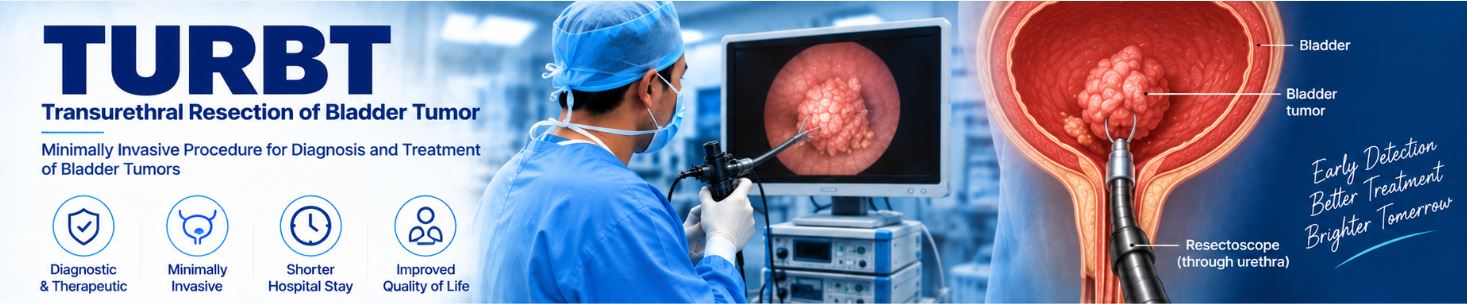
TURBT
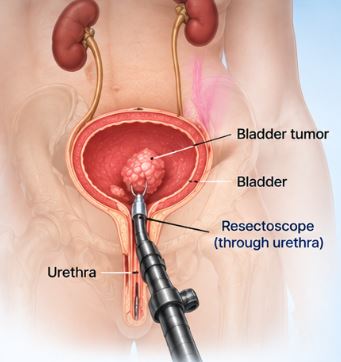
TURBT is performed through the urinary passage using a cystoscope and resection instrument. The removed tissue is sent for pathological examination, which helps determine the type and grade of the tumor and guides further management.
Common Symptoms
Blood in urine; urinary frequency; urgency; burning urination; occasionally pelvic discomfort.
Causes of TURBT
Bladder tumors arise from abnormal growth of cells lining the urinary tract. The exact cause varies.
Risk Factors
Smoking; occupational exposure to certain chemicals; previous urinary tract treatment; increasing age and other risk factors.
Diagnosis
Urine tests; imaging when indicated; cystoscopy; pathological examination of resected tissue.
Treatment Options
TURBT; repeat resection in selected cases; intravesical treatment or further surgery depending on pathology and risk.
Benefits of Treatment
Provides tissue diagnosis; removes visible tumor; helps determine subsequent treatment.
Recovery & Aftercare
Recovery is usually gradual after the procedure. Temporary blood in urine and urinary symptoms may occur. Follow-up cystoscopy is often important according to risk.
Prevention
Stop smoking; reduce avoidable occupational exposures; follow the urologist's surveillance plan.
Possible Complications
Bleeding; infection; bladder injury; urinary symptoms; recurrence of bladder tumor requiring surveillance or further treatment.
When Should You Consult a Doctor?
You May Also Be Interested In
Explore other advanced urology treatments offered by our clinic.
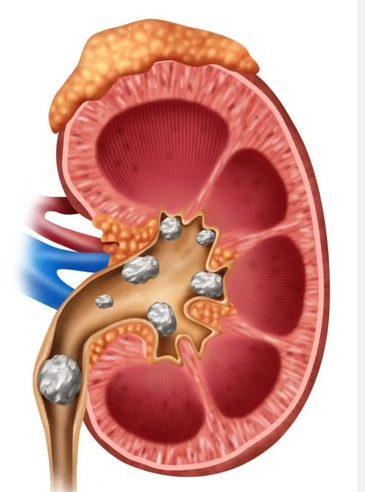
Kidney Stone Treatment
Advanced diagnosis and minimally invasive treatment for kidney stones using Laser Lithotripsy, RIRS, PCNL and other modern techniques with faster recovery.
Read More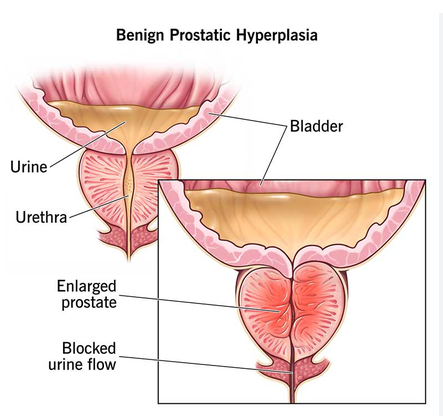
Enlarged Prostate (BPH)
Advanced diagnosis and minimally invasive treatment for Enlarged Prostate (Benign Prostatic Hyperplasia - BPH) using Laser Prostate Surgery, TURP and other modern procedures.
Read More
Female Urology
Comprehensive diagnosis and advanced treatment for female urinary disorders including urinary incontinence, recurrent urinary tract infections, overactive bladder, pelvic floor disorders and bladder dysfunction.
Read More