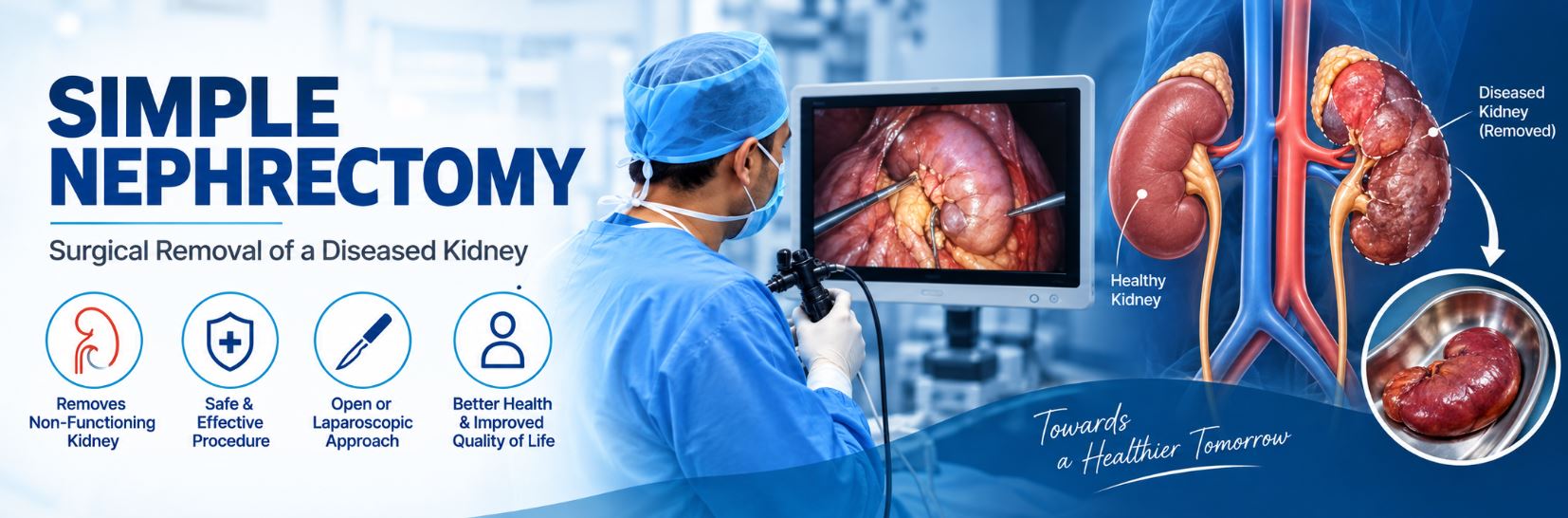
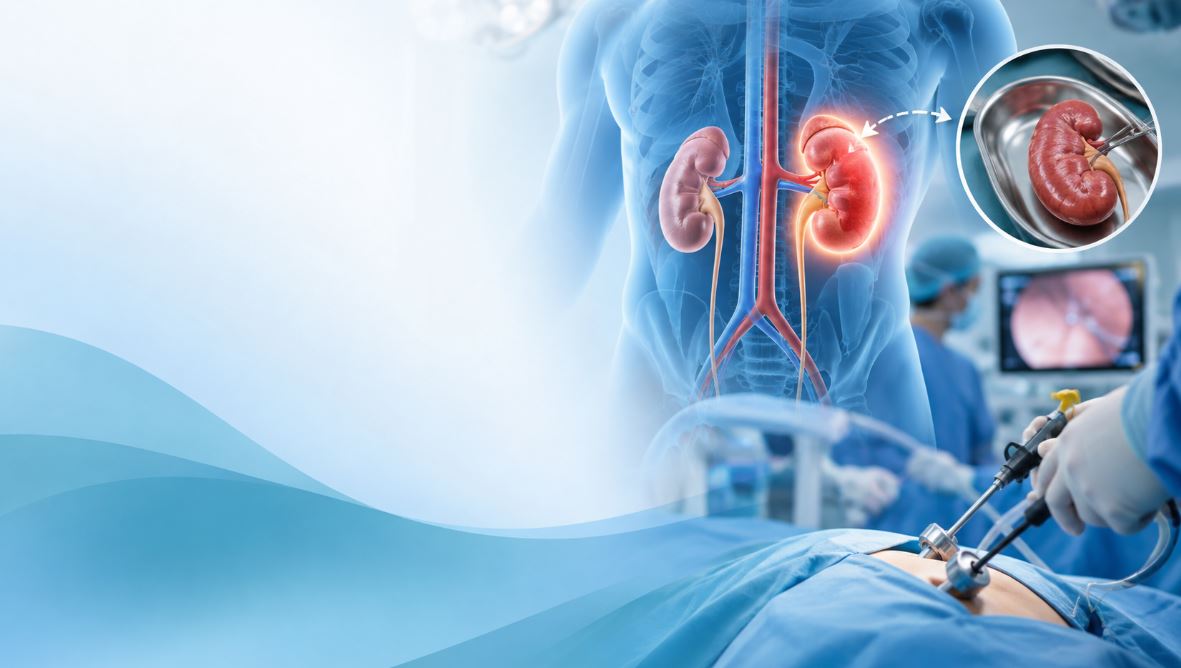
SIMPLE NEPHRECTOMY
Simple nephrectomy removes a non-functioning or severely diseased kidney. It may be performed through an open or minimally invasive approach depending on the clinical situation.
Common Symptoms
Persistent flank pain; recurrent infection; blood in urine; complications from a severely damaged kidney; symptoms related to chronic infection or obstruction.
Causes of SIMPLE NEPHRECTOMY
Severe chronic infection, obstruction, stones, trauma or other disease can result in a poorly functioning kidney.
Risk Factors
Recurrent infections; longstanding obstruction; complex stone disease; congenital or acquired kidney damage.
Diagnosis
Blood and urine tests; imaging; functional renal assessment; evaluation of the opposite kidney.
Treatment Options
Observation in selected patients; treatment of the underlying condition; nephrectomy when indicated.
Benefits of Treatment
Removes a source of recurrent infection, pain or other complications when the kidney is severely damaged.
Recovery & Aftercare
Recovery depends on surgical approach and general health. Kidney function is monitored, particularly that of the remaining kidney.
Prevention
Protect the function of the remaining kidney; control blood pressure; maintain appropriate hydration and follow medical advice.
Possible Complications
Bleeding; infection; injury to nearby structures; blood clots; anaesthetic or other surgical risks.
When Should You Consult a Doctor?
You May Also Be Interested In
Explore other advanced urology treatments offered by our clinic.
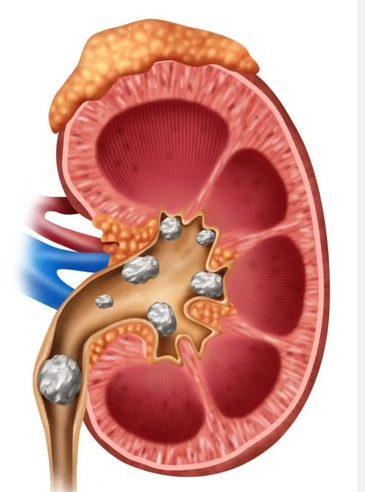
Kidney Stone Treatment
Advanced diagnosis and minimally invasive treatment for kidney stones using Laser Lithotripsy, RIRS, PCNL and other modern techniques with faster recovery.
Read More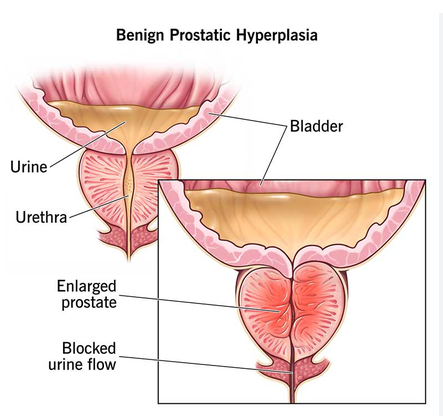
Enlarged Prostate (BPH)
Advanced diagnosis and minimally invasive treatment for Enlarged Prostate (Benign Prostatic Hyperplasia - BPH) using Laser Prostate Surgery, TURP and other modern procedures.
Read More
Female Urology
Comprehensive diagnosis and advanced treatment for female urinary disorders including urinary incontinence, recurrent urinary tract infections, overactive bladder, pelvic floor disorders and bladder dysfunction.
Read More