

FRENULOPLASTY
Frenuloplasty releases and lengthens a restrictive frenulum while preserving the surrounding penile structures. It is considered when a short frenulum causes recurrent tearing, pain or functional problems.
Common Symptoms
Pain during erection or intercourse; recurrent frenulum tearing; bleeding after tearing; tight pulling sensation.
Causes of FRENULOPLASTY
A congenitally short frenulum or scarring after repeated inflammation or injury may cause restriction.
Risk Factors
Previous tearing; inflammation; anatomical short frenulum; scarring.
Diagnosis
Clinical examination is usually sufficient; additional tests are considered only when another condition is suspected.
Treatment Options
Frenuloplasty; circumcision when significant foreskin problems coexist; conservative care in selected cases.
Benefits of Treatment
Can relieve tension and reduce recurrent tearing; usually a limited surgical procedure.
Recovery & Aftercare
Healing usually takes several weeks. Sexual activity is avoided until the wound has healed as advised by the surgeon.
Prevention
Maintain appropriate hygiene; treat recurrent inflammation; follow post-operative wound-care instructions.
Possible Complications
Bleeding; infection; pain; scar sensitivity; recurrence or need for further treatment in selected cases.
When Should You Consult a Doctor?
You May Also Be Interested In
Explore other advanced urology treatments offered by our clinic.
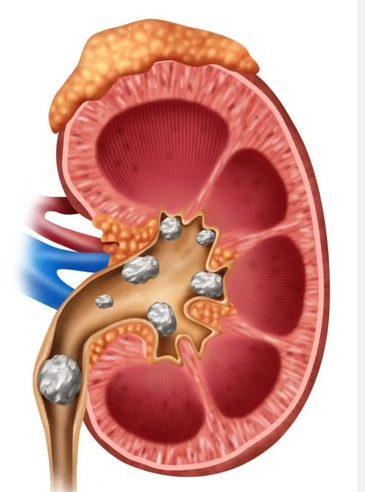
Kidney Stone Treatment
Advanced diagnosis and minimally invasive treatment for kidney stones using Laser Lithotripsy, RIRS, PCNL and other modern techniques with faster recovery.
Read More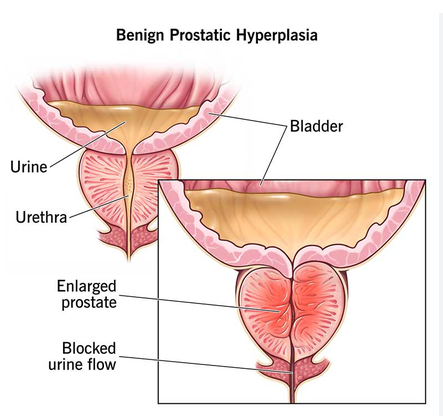
Enlarged Prostate (BPH)
Advanced diagnosis and minimally invasive treatment for Enlarged Prostate (Benign Prostatic Hyperplasia - BPH) using Laser Prostate Surgery, TURP and other modern procedures.
Read More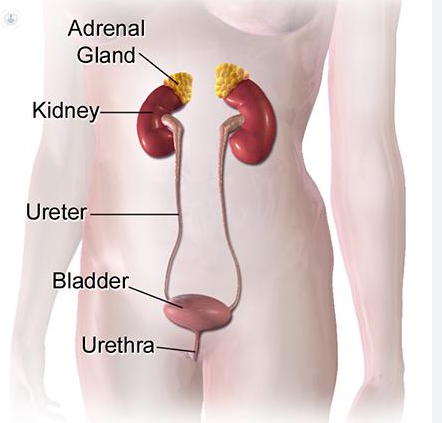
Female Urology
Comprehensive diagnosis and advanced treatment for female urinary disorders including urinary incontinence, recurrent urinary tract infections, overactive bladder, pelvic floor disorders and bladder dysfunction.
Read More