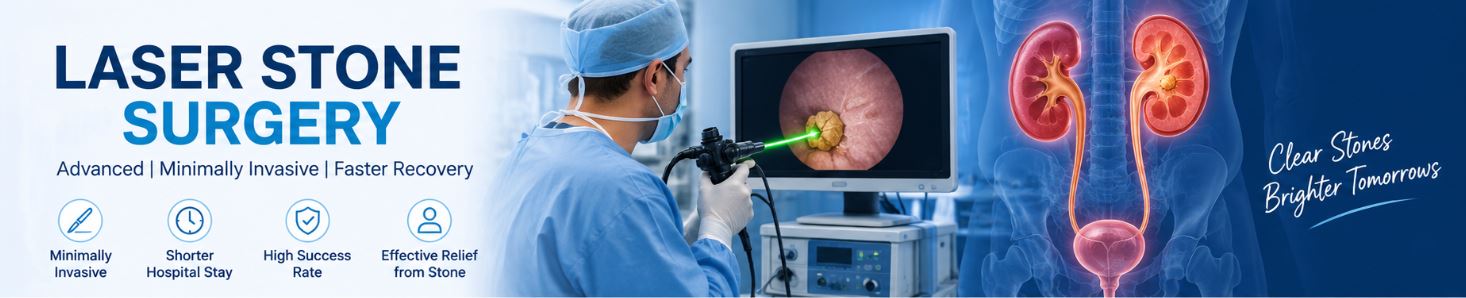
LASER STONE SURGERY
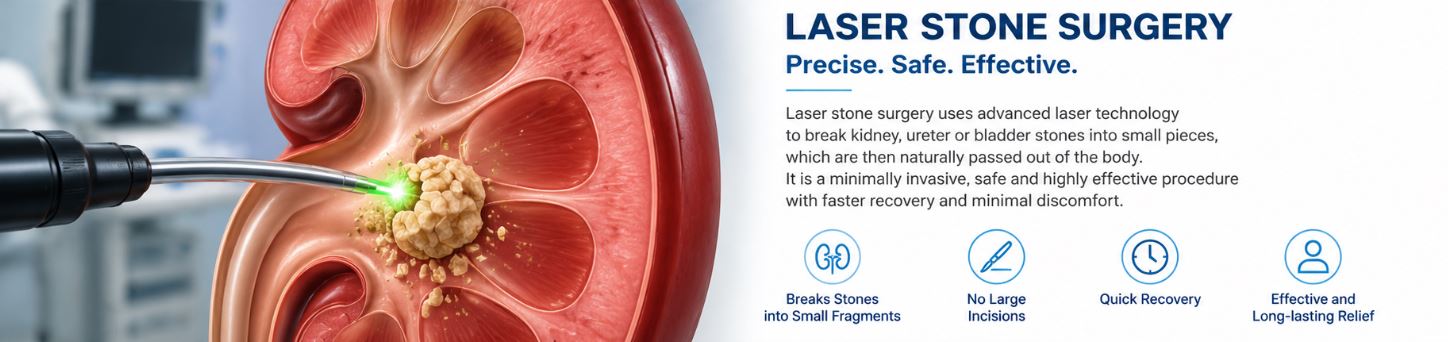
Laser stone surgery uses a fine endoscopic instrument and laser energy to break urinary stones into small fragments or dust that can be removed or passed naturally.
The appropriate procedure depends on the stone's size, location, number and the patient's overall condition. A urologist evaluates the patient and recommends the safest approach.
Common Symptoms
- Severe or colicky pain in the side, back or lower abdomen
- Blood in the urine
- Pain or burning while passing urine
- Frequent or urgent urination
- Nausea or vomiting
Causes of LASER STONE SURGERY
- Concentrated urine
- Low fluid intake
- High urinary calcium, oxalate or uric acid
- Recurrent urinary infections in some patients
- Family or metabolic tendency to form stones
Risk Factors
- Low water intake
- Previous urinary stones
- Family history of kidney stones
- High salt or certain dietary patterns
- Some metabolic or medical conditions
Diagnosis
- Medical history and physical examination
- Urine and blood tests when indicated
- Ultrasound or X-ray when appropriate
- CT scan for detailed stone assessment when required
Treatment Options
- Ureteroscopy with laser lithotripsy
- RIRS for suitable kidney stones
- PCNL for larger or complex kidney stones
- Other stone treatment options based on stone characteristics
Benefits of Treatment
- Minimally invasive approach
- Precise stone fragmentation
- Can treat many stones through natural urinary passages
- Choice of technique can be tailored to the stone
Recovery & Aftercare
Recovery depends on the procedure and stone burden. Mild discomfort or urinary symptoms may occur temporarily. Patients should follow the urologist's advice regarding fluids, medicines, activity and follow-up.
Prevention
- Maintain adequate fluid intake as advised
- Reduce excessive dietary salt
- Follow dietary advice based on stone type
- Attend follow-up evaluation for recurrent stones
Possible Complications
- Temporary blood in urine or urinary discomfort
- Urinary infection
- Residual stone fragments
- Ureteric injury or other procedure-related complications, which are uncommon but possible
When Should You Consult a Doctor?
You May Also Be Interested In
Explore other advanced urology treatments offered by our clinic.
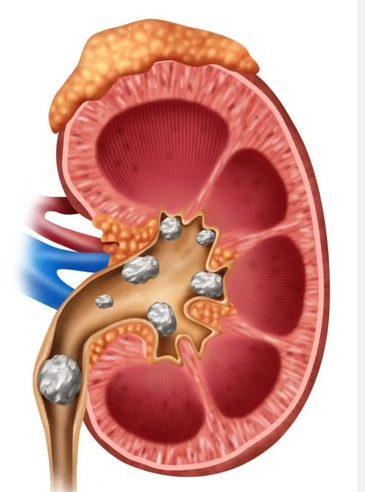
Kidney Stone Treatment
Advanced diagnosis and minimally invasive treatment for kidney stones using Laser Lithotripsy, RIRS, PCNL and other modern techniques with faster recovery.
Read More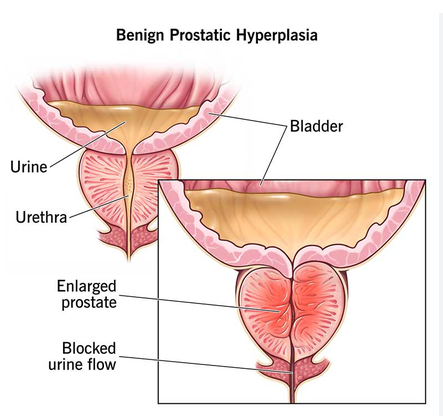
Enlarged Prostate (BPH)
Advanced diagnosis and minimally invasive treatment for Enlarged Prostate (Benign Prostatic Hyperplasia - BPH) using Laser Prostate Surgery, TURP and other modern procedures.
Read More
Female Urology
Comprehensive diagnosis and advanced treatment for female urinary disorders including urinary incontinence, recurrent urinary tract infections, overactive bladder, pelvic floor disorders and bladder dysfunction.
Read More