

ORCHIDECTOMY
Orchidectomy removes a testicle through a small groin incision in most oncological cases. The procedure and extent depend on the underlying diagnosis.
Common Symptoms
Testicular lump; swelling; heaviness; pain or discomfort; an abnormal testicular examination.
Causes of ORCHIDECTOMY
Testicular conditions requiring orchidectomy include selected testicular cancers and other serious disease.
Risk Factors
Age-related and genetic factors vary by condition; history of undescended testis increases testicular cancer risk.
Diagnosis
Physical examination; scrotal ultrasound; tumor-marker blood tests when indicated; staging imaging for suspected cancer.
Treatment Options
Testis-sparing treatment in selected situations; radical inguinal orchidectomy; additional cancer treatment according to pathology and stage.
Benefits of Treatment
Provides tissue diagnosis and treatment for selected testicular tumors; may also be used for other defined indications.
Recovery & Aftercare
Recovery is generally gradual. A prosthetic testis may be discussed in appropriate patients. Fertility and hormone effects depend on whether one or both testes are removed.
Prevention
Prompt assessment of testicular lumps; discuss fertility preservation before treatment when appropriate.
Possible Complications
Bleeding; infection; pain; hormonal or fertility effects, particularly after bilateral removal.
When Should You Consult a Doctor?
You May Also Be Interested In
Explore other advanced urology treatments offered by our clinic.
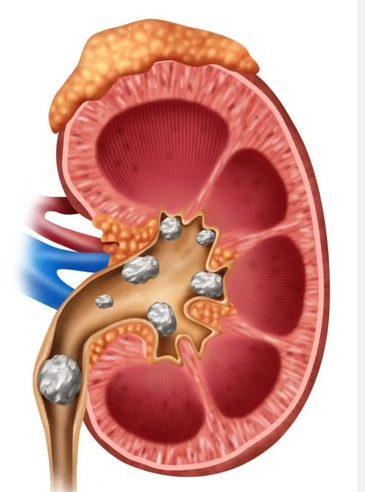
Kidney Stone Treatment
Advanced diagnosis and minimally invasive treatment for kidney stones using Laser Lithotripsy, RIRS, PCNL and other modern techniques with faster recovery.
Read More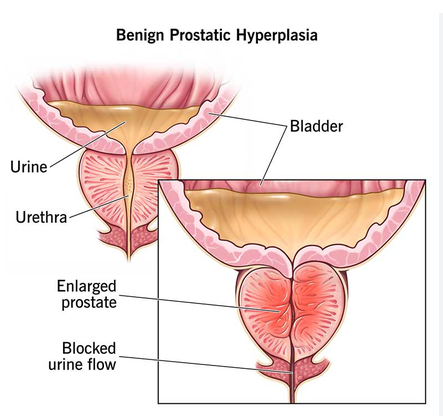
Enlarged Prostate (BPH)
Advanced diagnosis and minimally invasive treatment for Enlarged Prostate (Benign Prostatic Hyperplasia - BPH) using Laser Prostate Surgery, TURP and other modern procedures.
Read More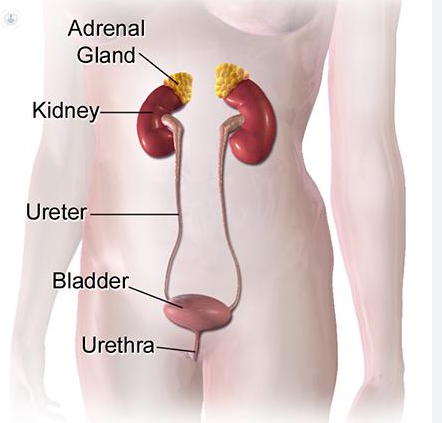
Female Urology
Comprehensive diagnosis and advanced treatment for female urinary disorders including urinary incontinence, recurrent urinary tract infections, overactive bladder, pelvic floor disorders and bladder dysfunction.
Read More